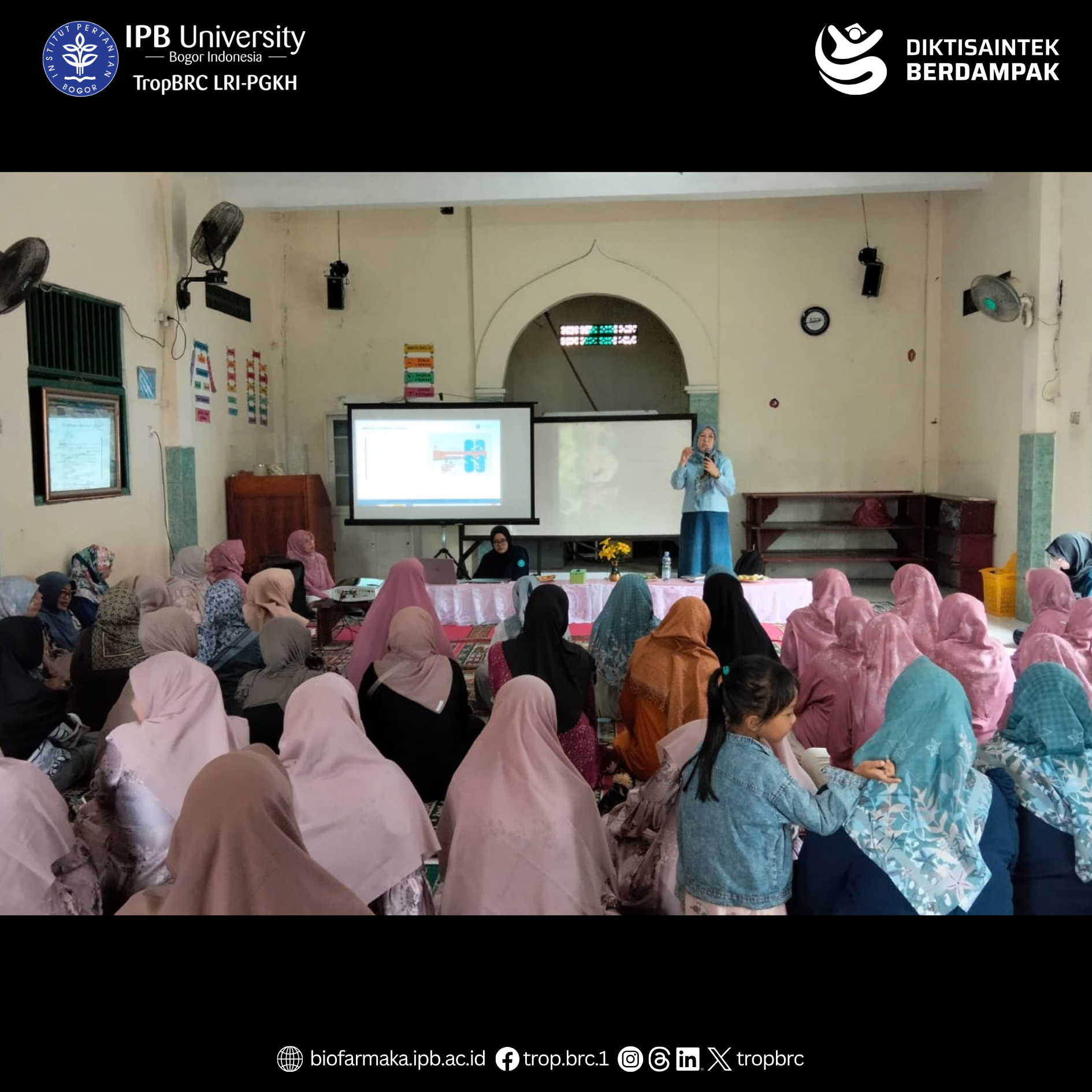
The Tropical Biopharmaca Research Center (TropBRC) LRI-PGKH IPB University successfully organized a community socialization on processing medicinal plants for diabetes control on Sunday, October 11, 2026. The event took place at the TPA Building of Nurul Hida Mosque, Perumahan Ciampea Asri, Benteng Village, Ciampea District, Bogor Regency.
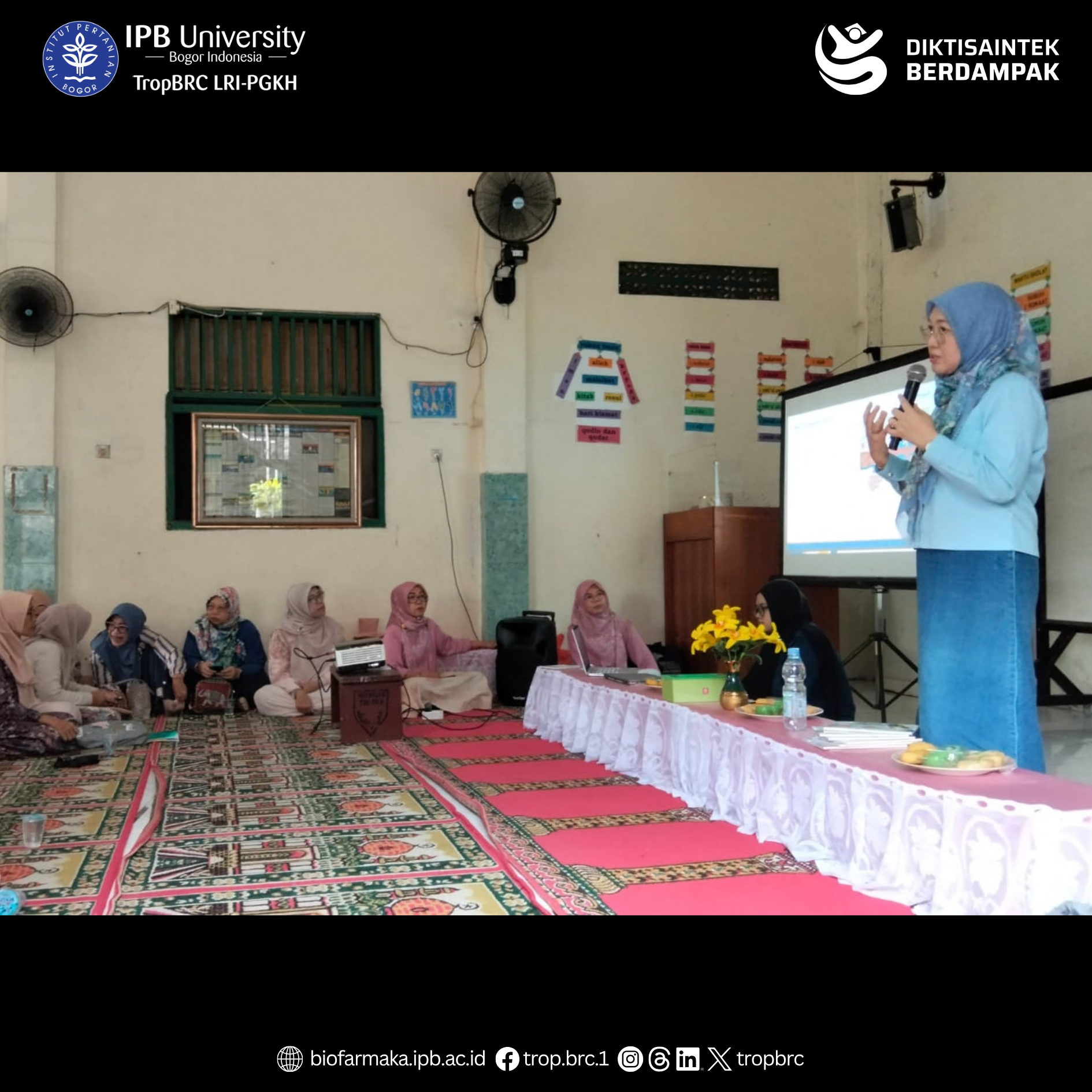
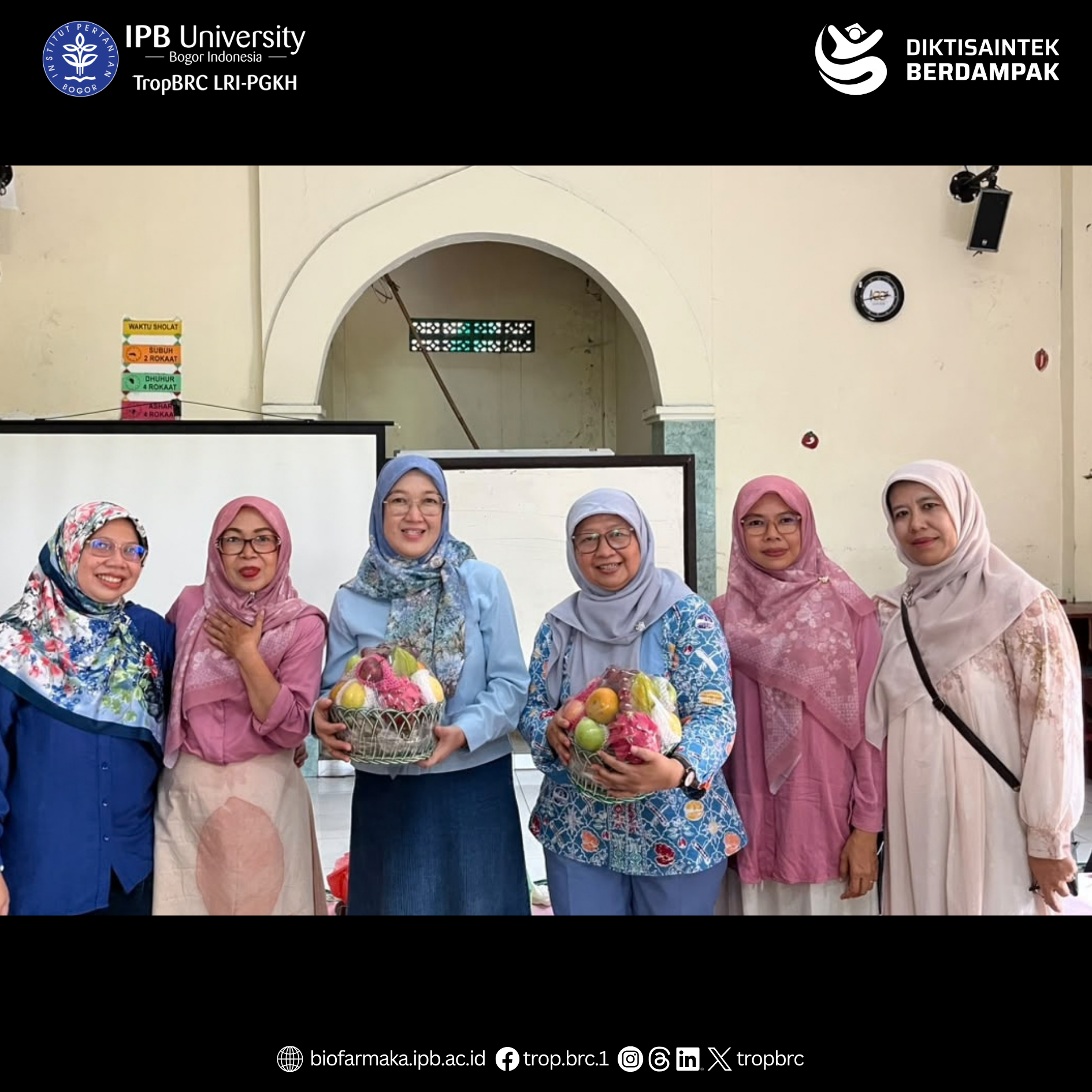
The session featured TropBRC Secretary, Dr. Apt. Siti Sa’diah, S.Si., M.Si., served as the main speaker. Furthermore, Dr. Ir. Ninuk Purnaningsih, M.Si., guided the session as the facilitator. She heads the Community Empowerment and Biopharmaca Market Development Division at TropBRC.
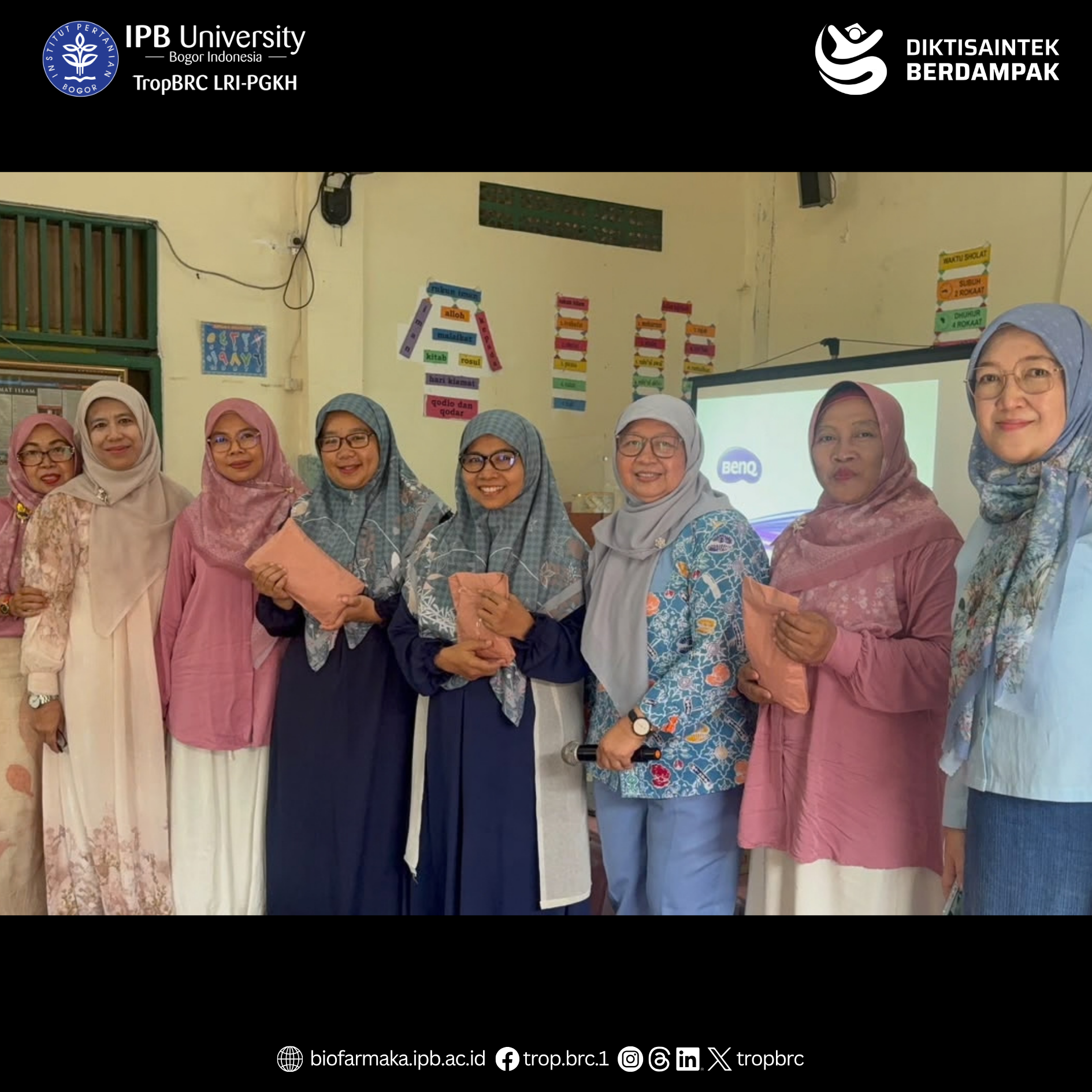
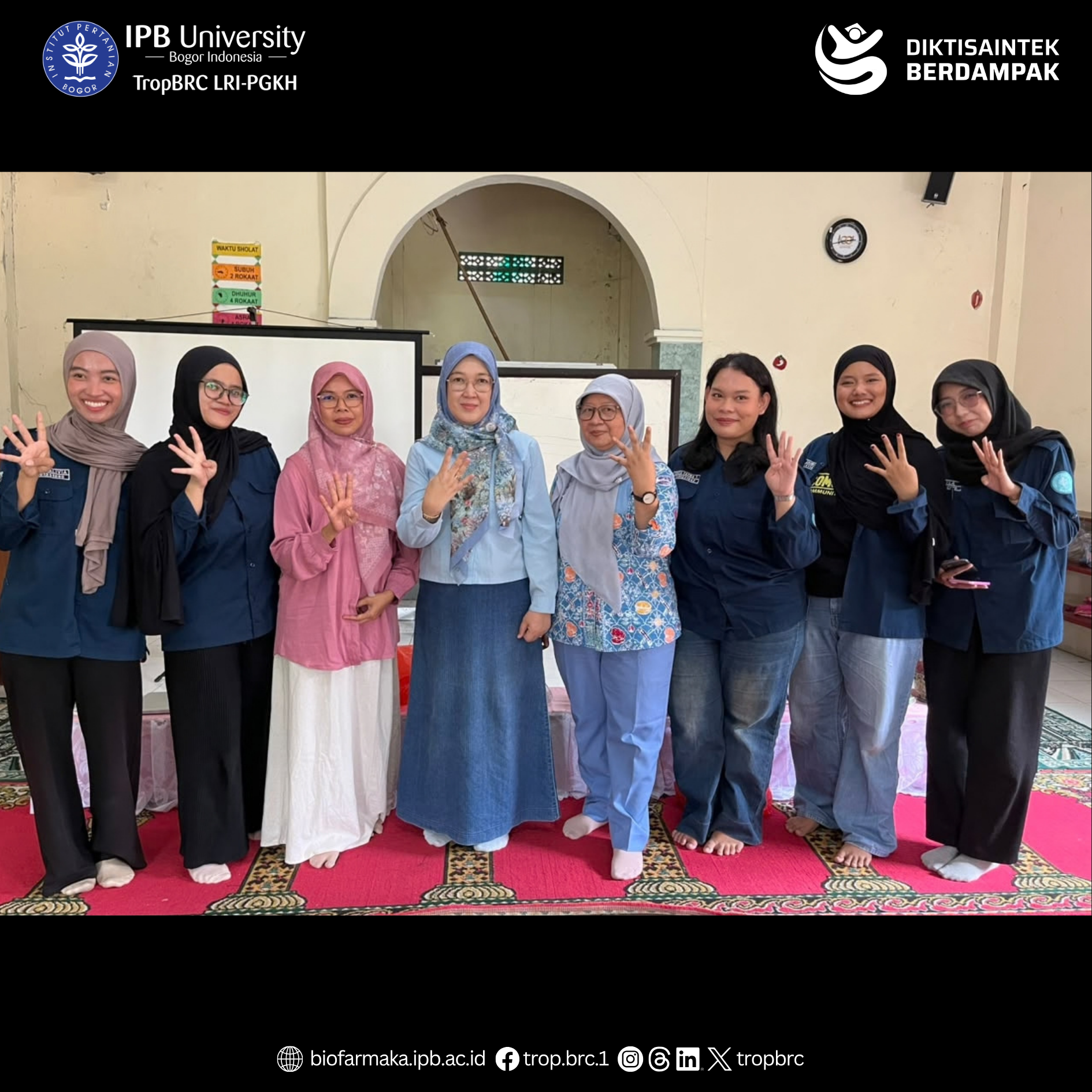
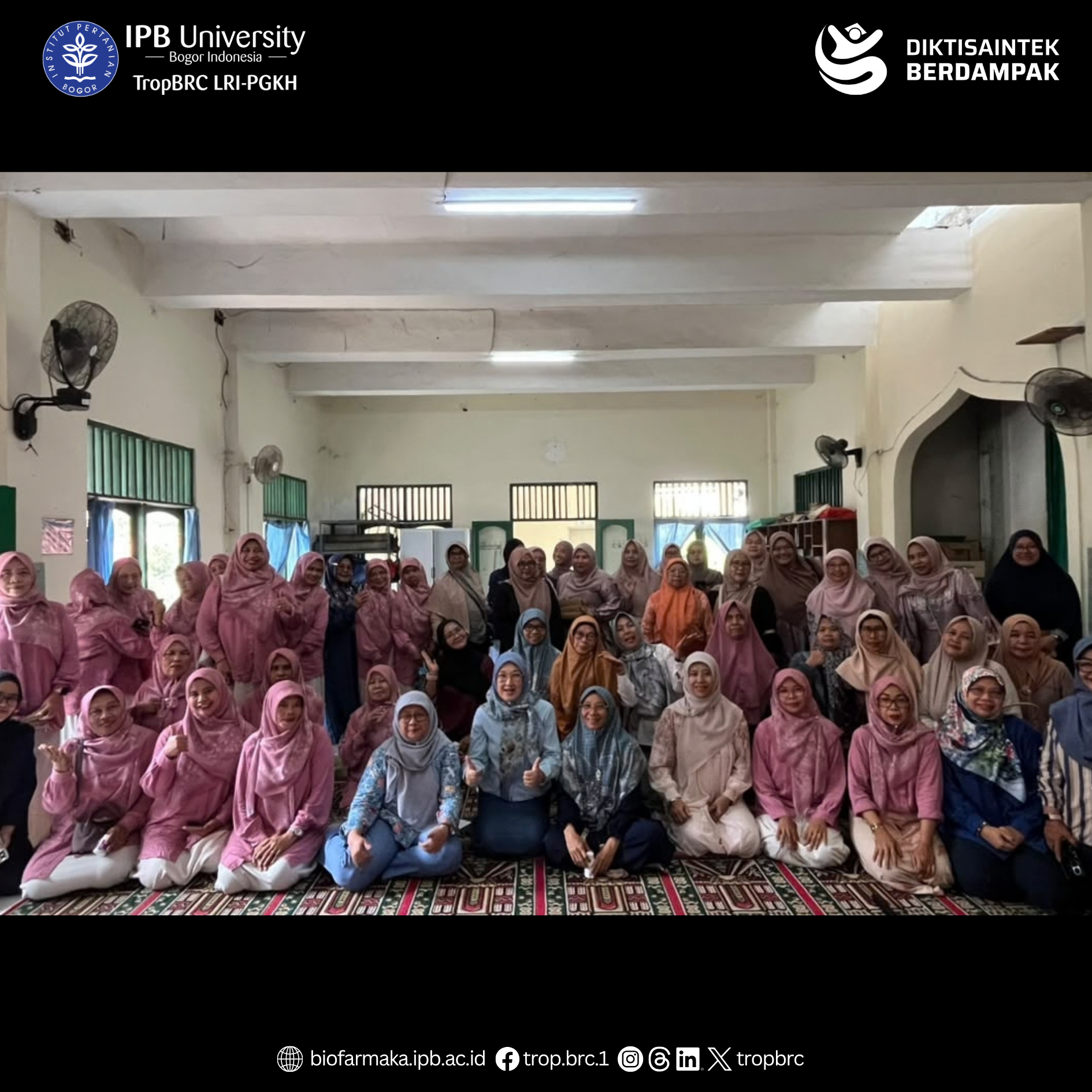
The gathering was attended by 67 members of the local women’s association (PKK RW 6). Moreover, neighborhood leaders from RT 01 to RT 07 joined the event. Six university students from the KPM Capstone Co-creation course also participated. The program began with prayers and Quranic recitations. Afterward, participants sang the national anthem, Indonesia Raya, and the PKK March. Importantly, the core socialization included interactive discussions and door prize distributions. TropBRC also handed out the book Taman Terapi Mandiri Diabetes to attendees.
Integrating Medicinal Plants for Diabetes Management
During her presentation, Dr. Siti Sa’diah highlighted that diabetes mellitus remains a growing health challenge. Specifically, diabetic patients in Indonesia reached 20.4 million in 2024. Because early stages lack clear symptoms, many discover their condition late. Uncontrolled glucose causes chronic vascular inflammation and damages vital organs. Consequently, routine screening is highly crucial.
To manage this condition, patients must understand insulin. This hormone unlocks cell walls so glucose can convert into energy. In type 1 diabetes, insulin production decreases. Conversely, in type 2 diabetes, cells become resistant to insulin. Consequently, glucose remains trapped in the bloodstream. Genetics, aging, and inactive lifestyles trigger this buildup.
Effective management relies on four medical pillars. First, patients need proper medical education. Second, they must follow disciplined nutritional therapy. Third, daily exercise is absolutely mandatory. Finally, they require doctor-prescribed medications or insulin. Additionally, practical habits like balancing meals and taking light walks help control glucose metabolism.
Alongside medical care, patients can utilize traditional herbs. These include sambiloto, brotowali stem, pare, and daun salam. Ultimately, using medicinal plants for diabetes provides essential fiber and supports glucose metabolism. However, these herbs act strictly as supplements. Therefore, patients must never use them to replace prescribed medications.
To ensure safety, people must process herbs hygienically. They should select fresh ingredients and wash them under running water. Users must start with a single ingredient to monitor bodily reactions. If uncomfortable symptoms arise, they must stop consumption immediately. Ultimately, the community can prevent complications through balanced diets, exercise, and wise herbal use.
✍️ Author & Editor: Tiest
📸 Documentation: TropBRC Committee Team