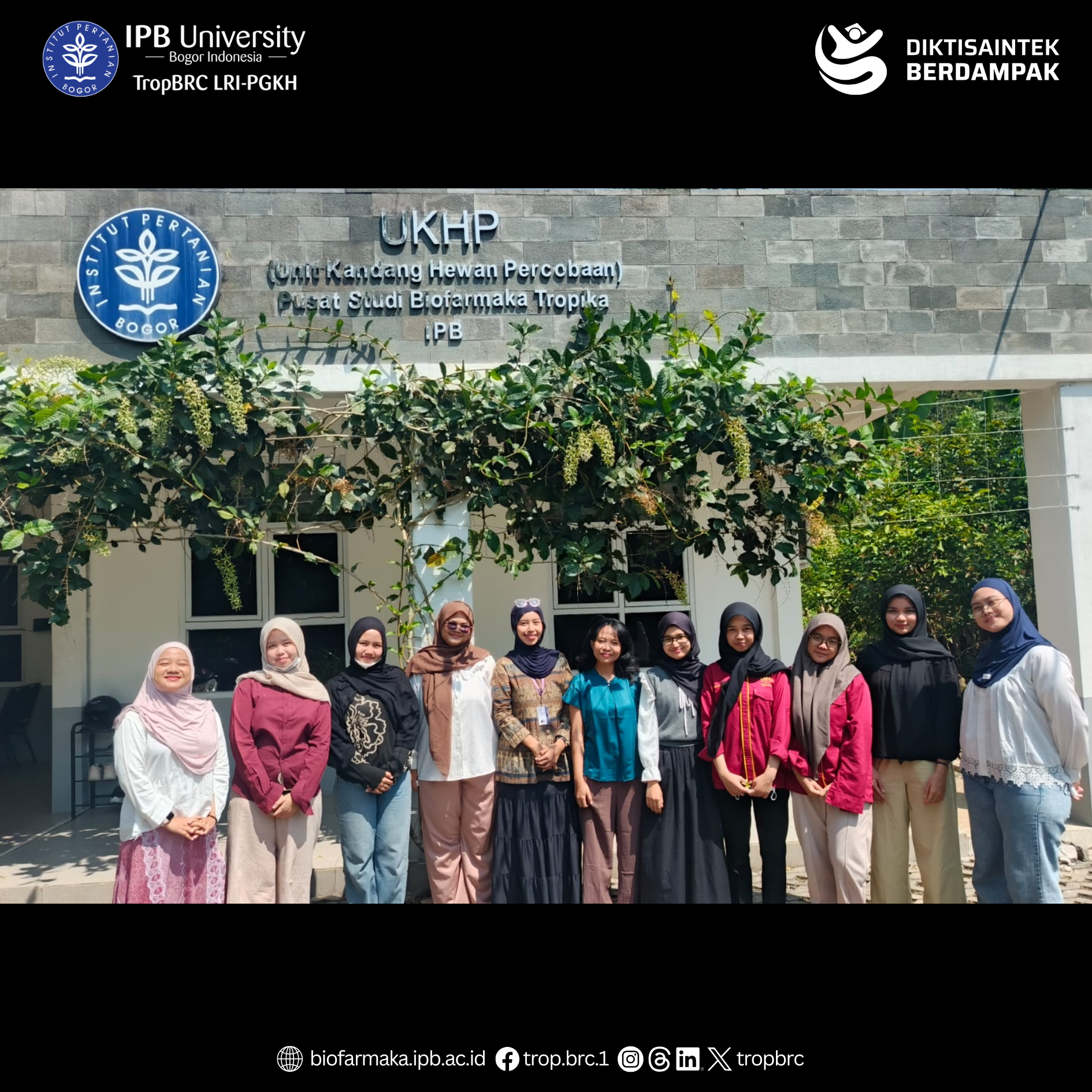
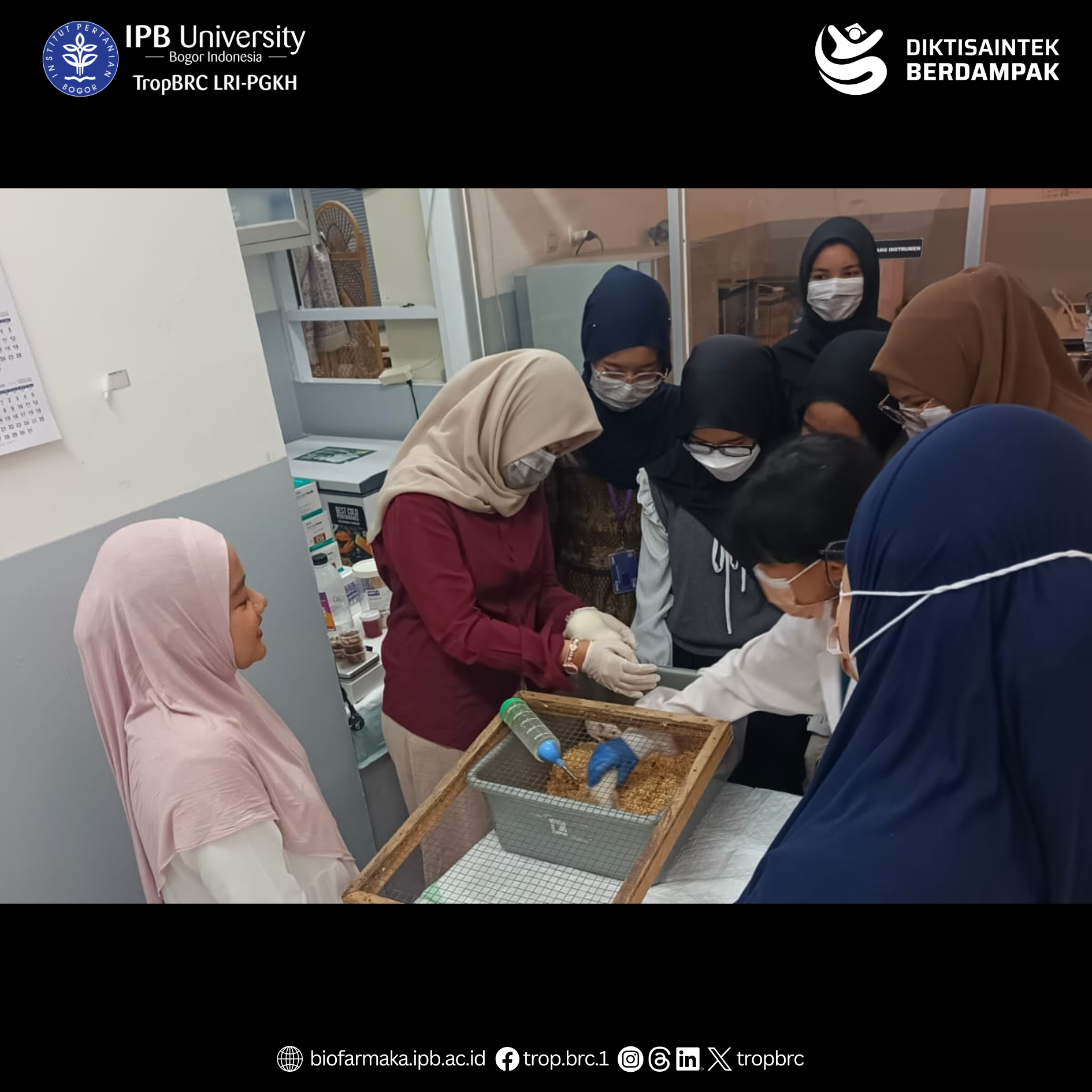
On Thursday, July 16, 2026, eight LabTropBRC interns participated in an educational visit to the Animal Testing Laboratory (ATL) at IPB University‘s Dramaga Campus. This program aimed to provide students with direct exposure to modern research facilities. Furthermore, it emphasized the critical importance of ethical laboratory animal management in scientific studies.
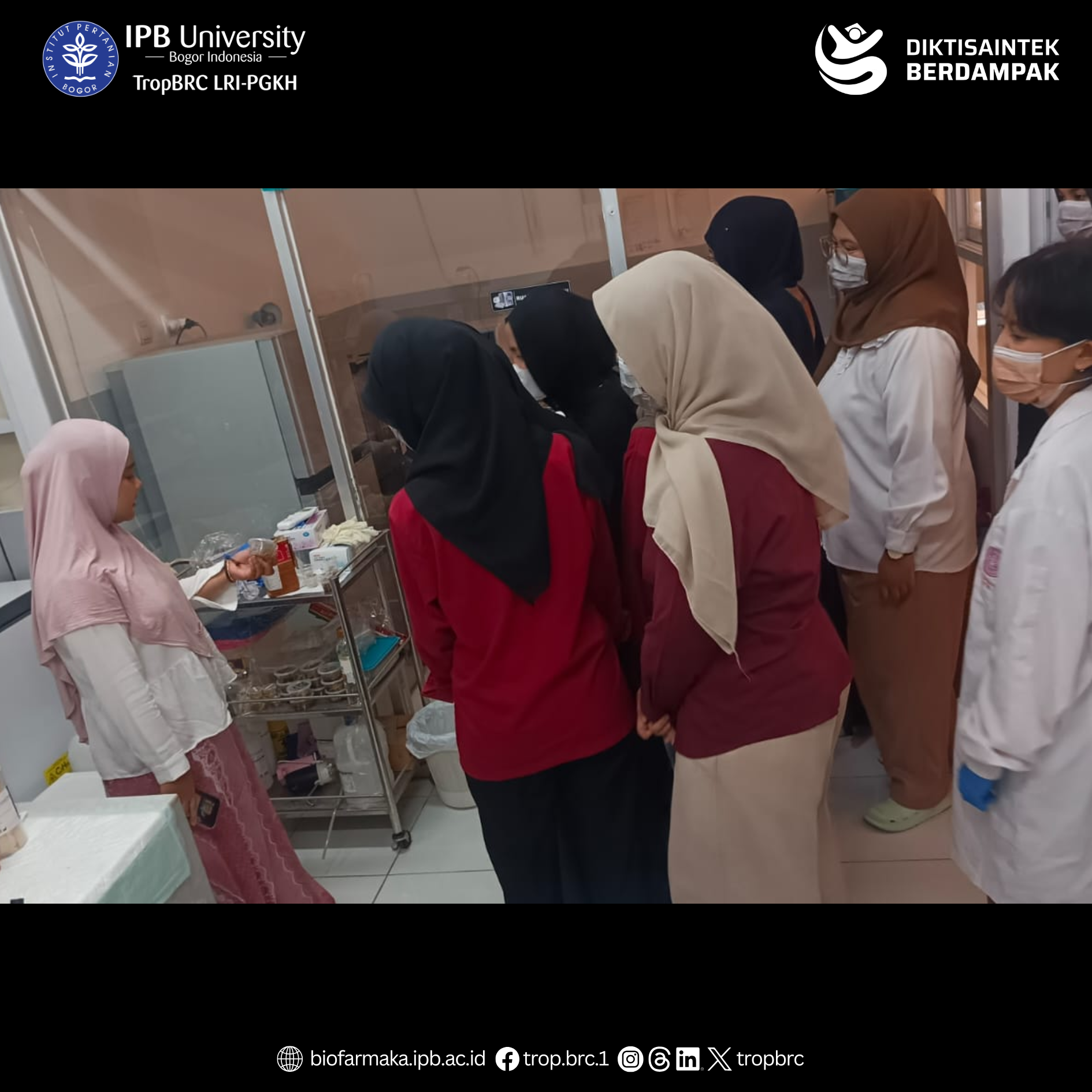
Upon arrival, the LabTropBRC interns were officially welcomed by the ATL veterinary staff, which included drh. Leliana Nugrahaning Widi, drh. Rere Epiyanti, and drh. Maudika Pamela Fiorenza. These professionals introduced the participants to the facility’s daily operational practices. During the session, the staff highlighted how proper animal care and welfare are essential for ensuring reliable and responsible research outcomes.
How LabTropBRC Interns Connect Theory with Practice
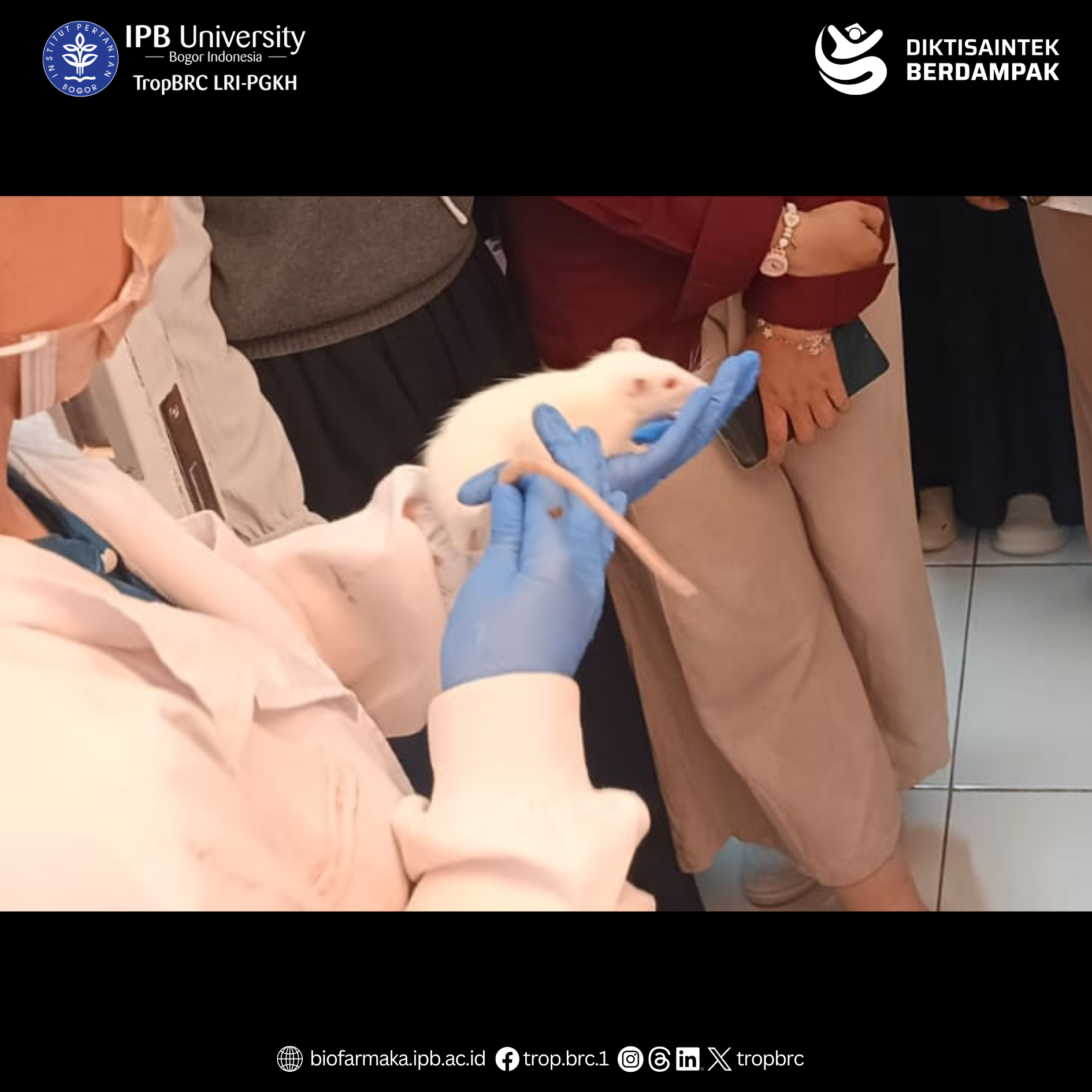
Throughout the visit, the students explored various research support facilities. They learned specifically about the vital role of laboratory animals in biopharmaceutical and modern life science research. The Tropical Biopharmaca Research Center (TropBRC) frequently engages in natural product development, which often requires rigorous safety and efficacy testing. Therefore, understanding standardized in vivo protocols is highly relevant for these emerging researchers.
In modern life sciences, ethical animal management typically follows strict guidelines to guarantee humane treatment. The experts at the ATL demonstrated how these rigorous ethical frameworks are implemented in daily laboratory routines. As a result, the LabTropBRC interns could clearly see the intersection between strict biological science and compassionate animal care.
Consequently, the activity offered practical insights into how standardized animal management directly contributes to study quality, reproducibility, and ethical compliance. The veterinarians explained essential animal welfare standards that guide responsible research. By observing these established protocols, the students gained a comprehensive perspective on conducting ethical scientific investigations.
Overall, this visit significantly enriched the interns’ understanding of research infrastructure beyond standard benchwork. By bridging theoretical knowledge with practical application, the educational program successfully strengthened their appreciation for the essential role that research facilities play in scientific advancement. Ultimately, such practical experiences are invaluable for preparing the next generation of biopharmaceutical scientists.
✍️ Author & Editor: Tiest
📸 Documentation: UKHP Team