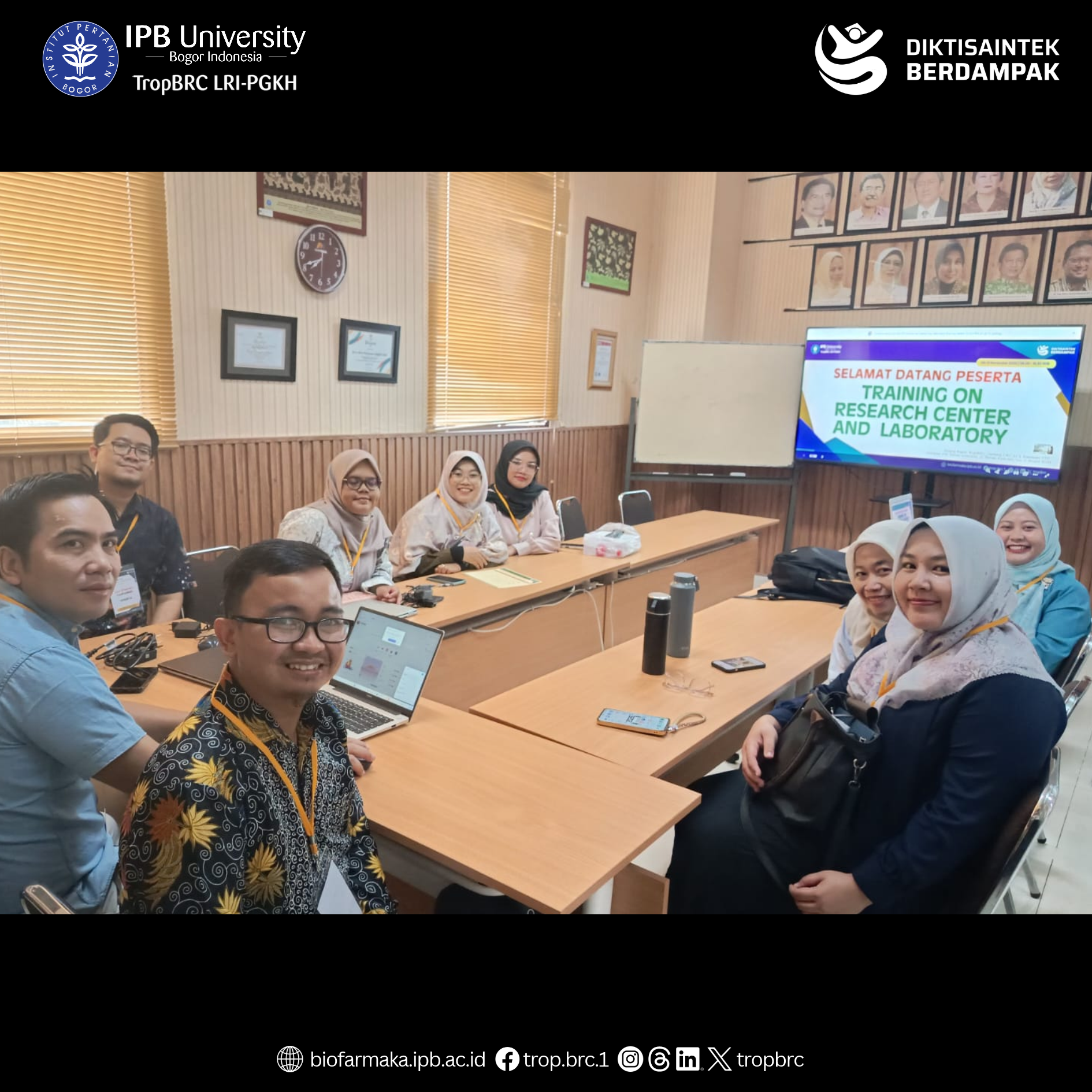
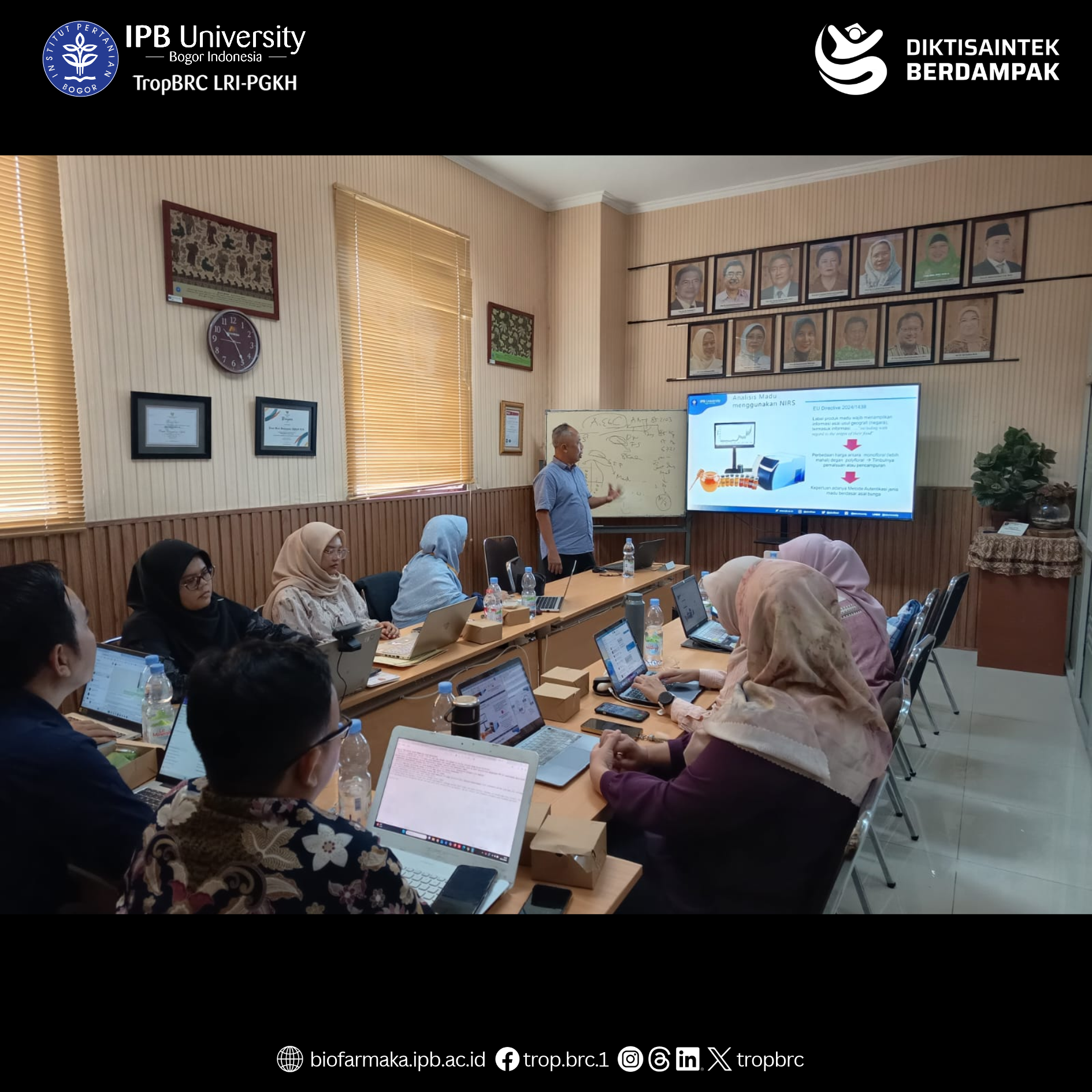
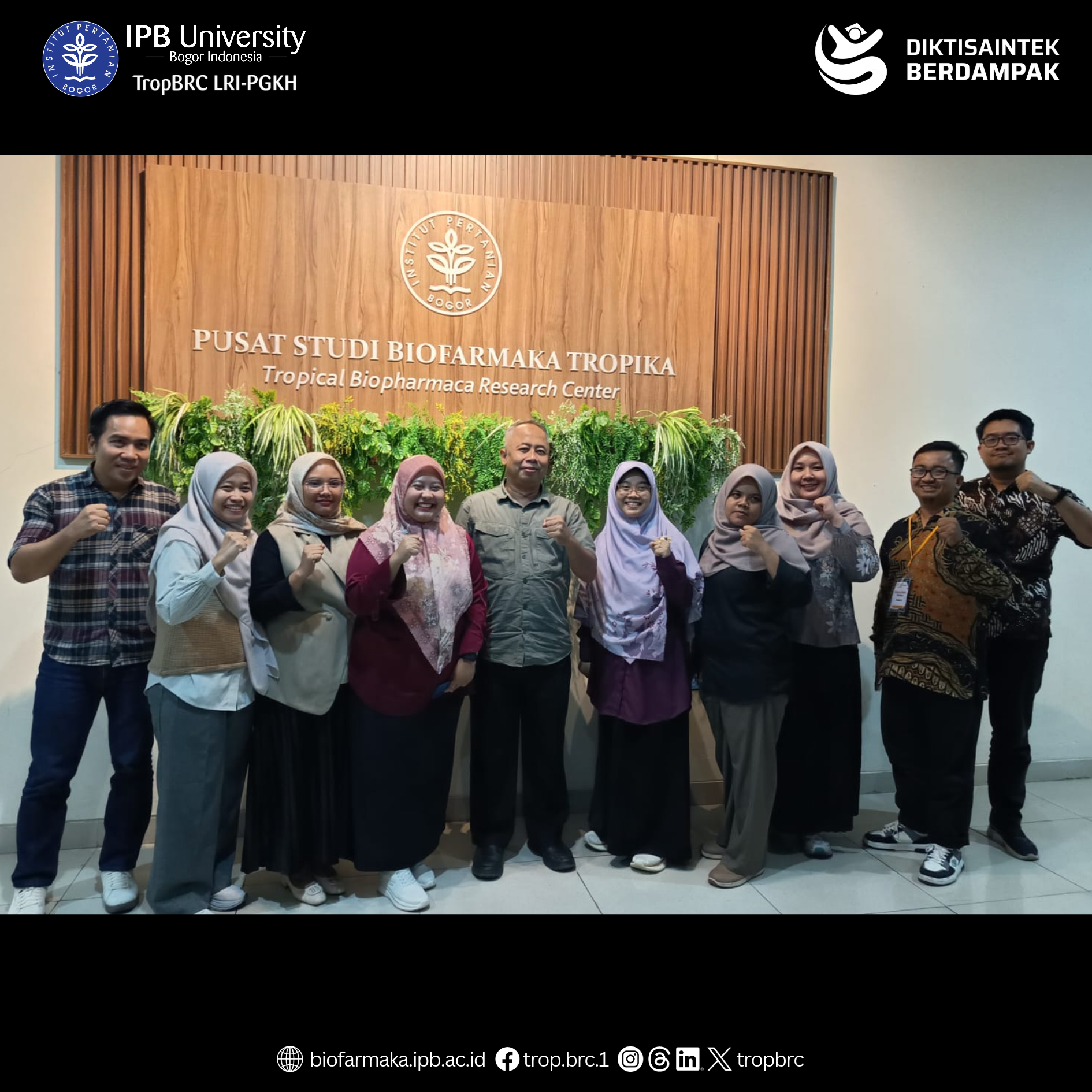
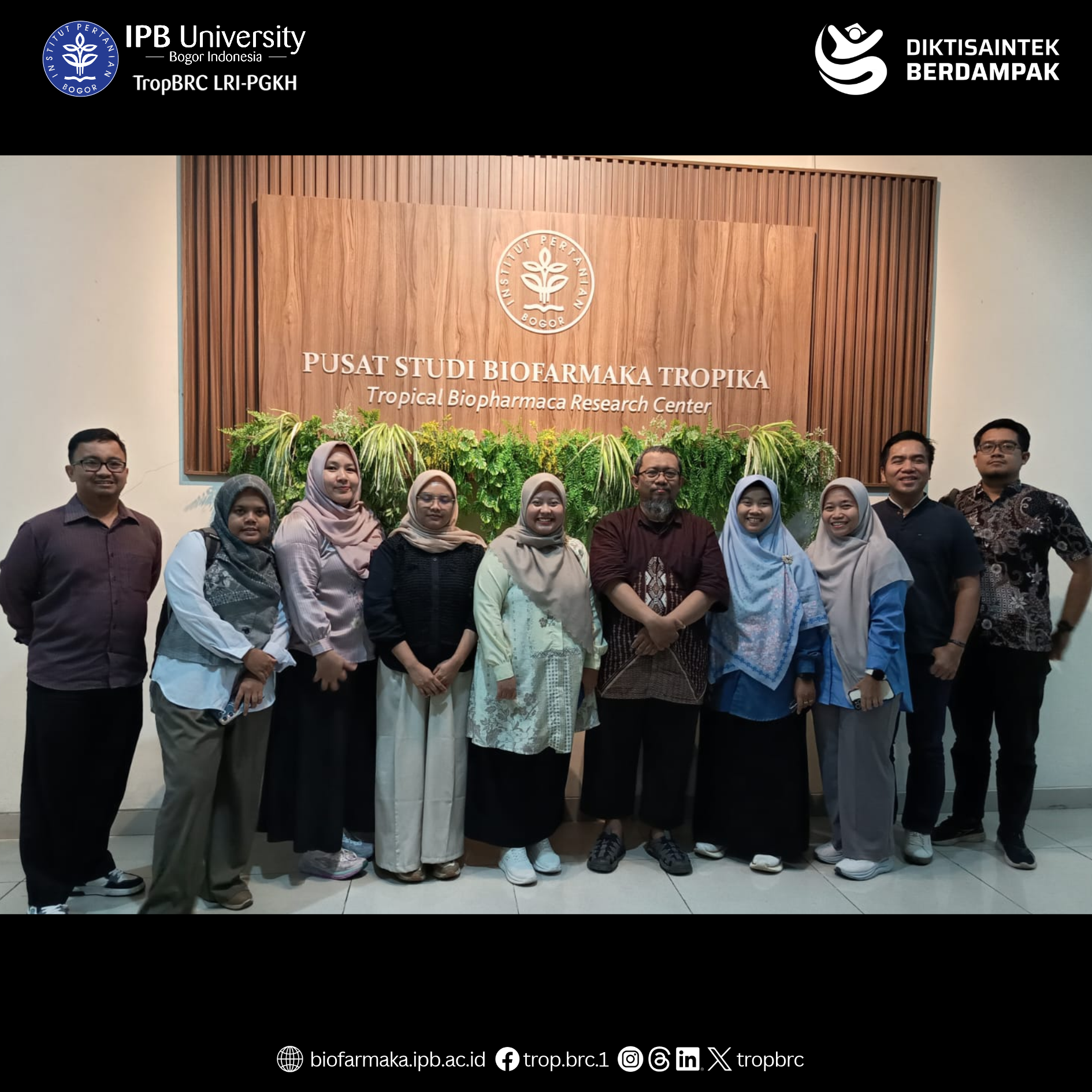
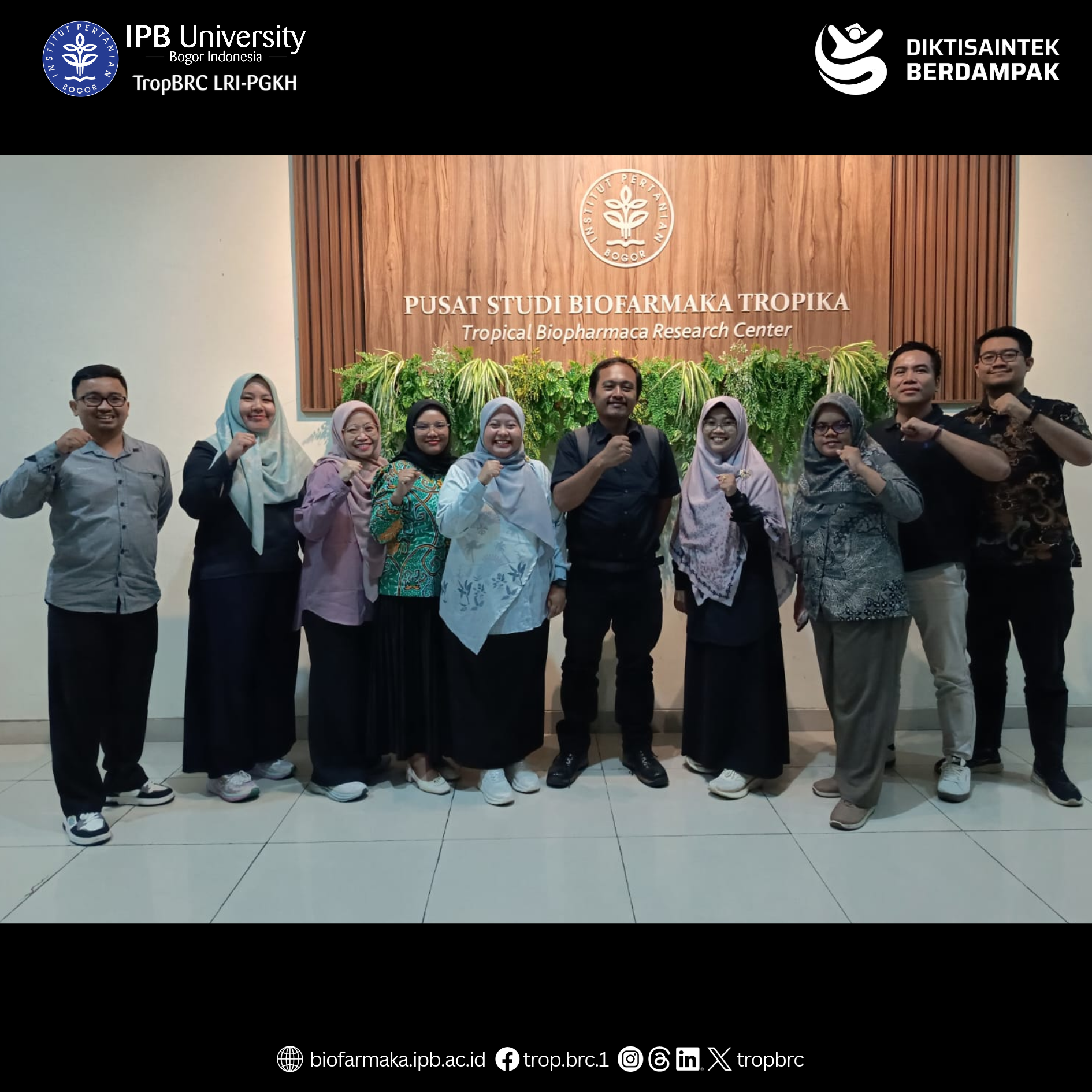
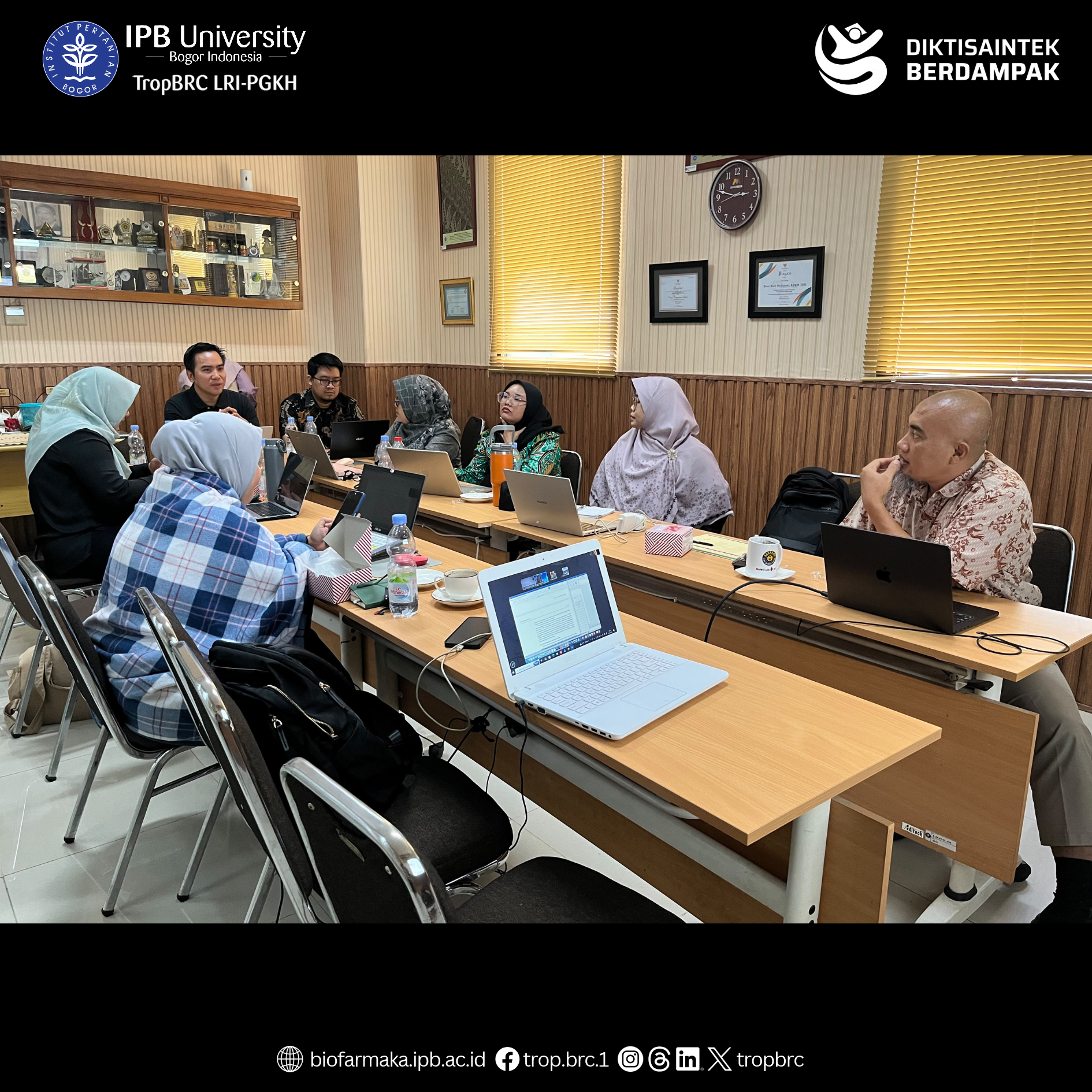
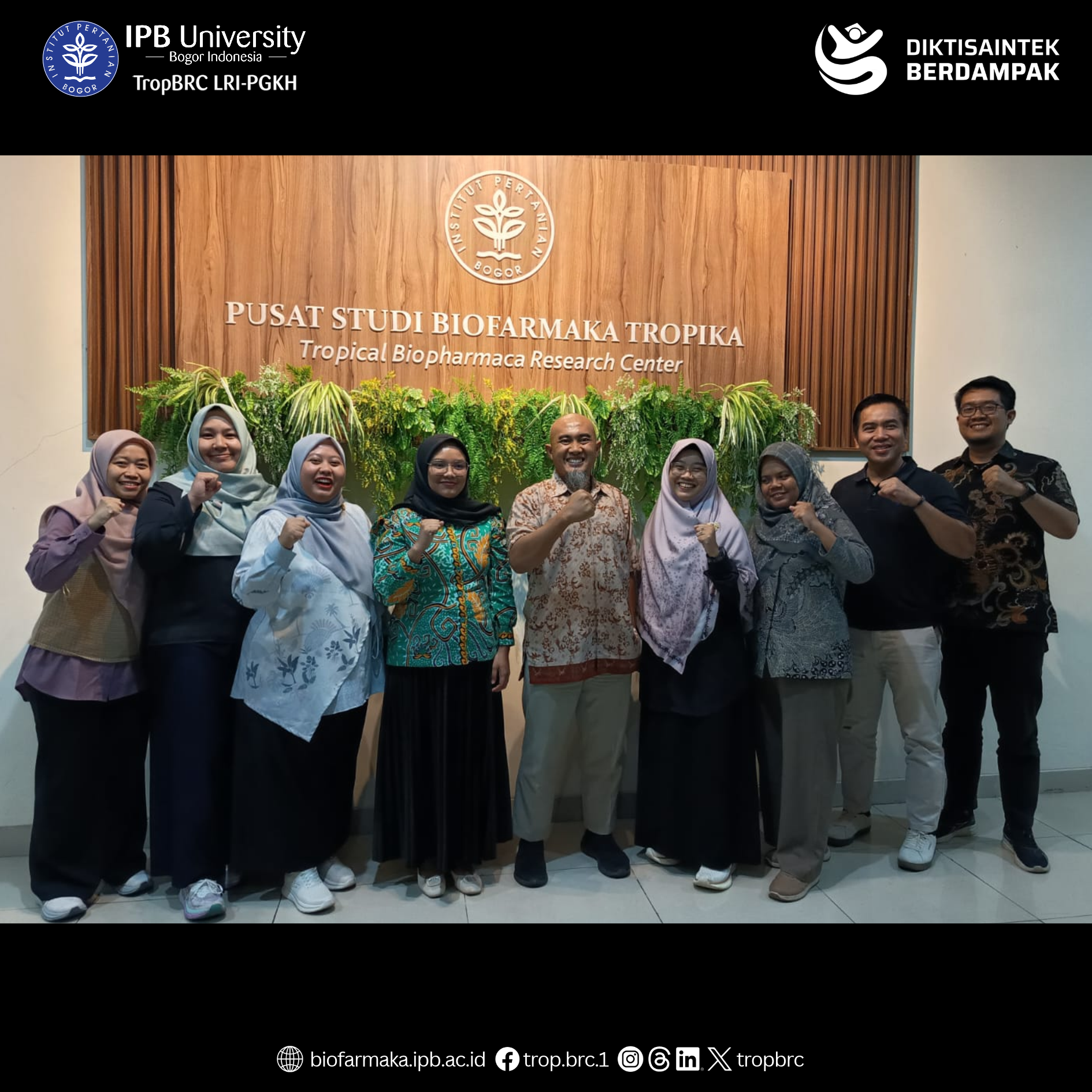
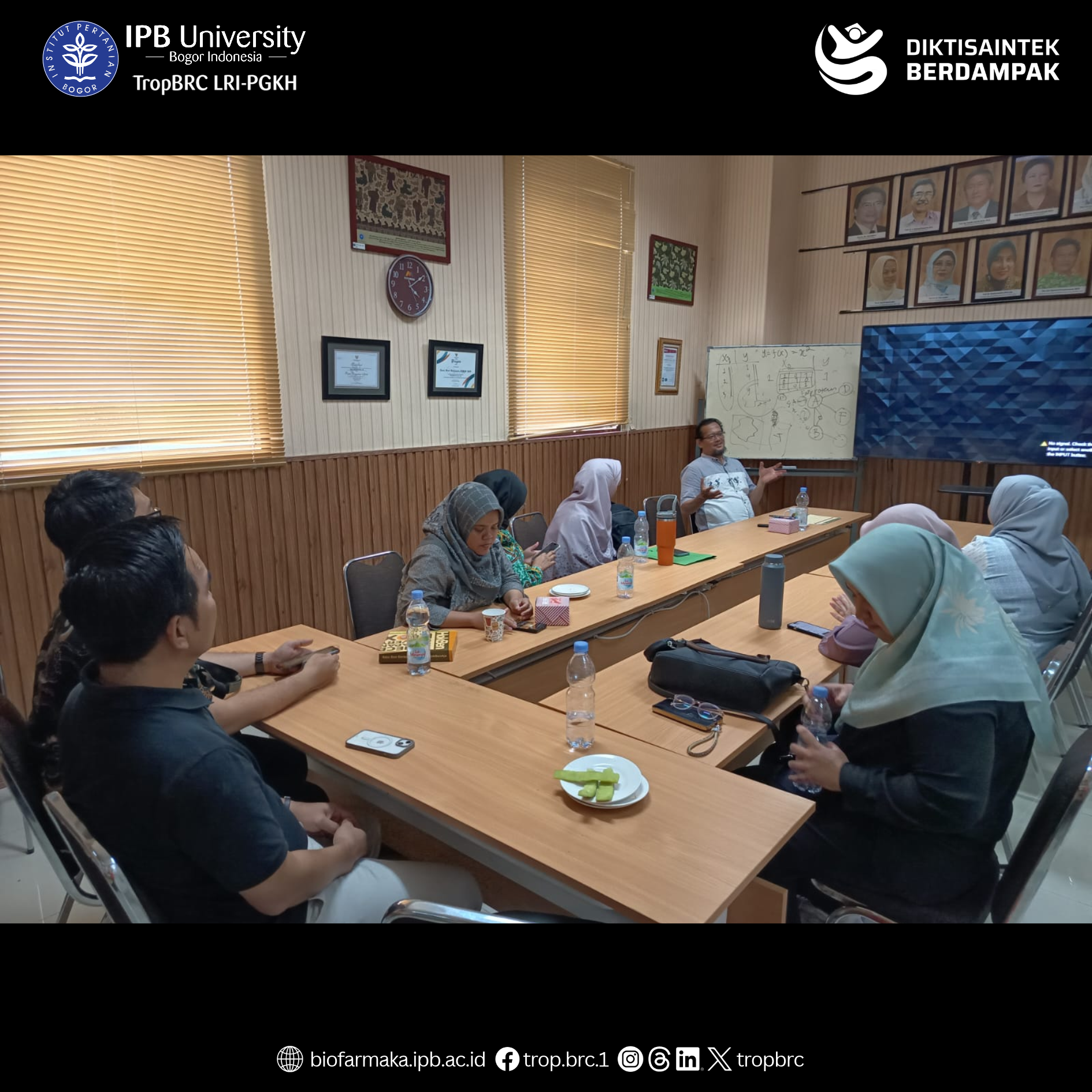
Tropical Biopharmaca Research Center (TropBRC) LRI-PGKH IPB University host a five-day Training on Research Center & Laboratory. This event took place from November 9 to 13, 2026 at the TropBRC Meeting Room, 2nd Floor of the CRC Building, STP Area, IPB Taman Kencana Campus, Bogor.
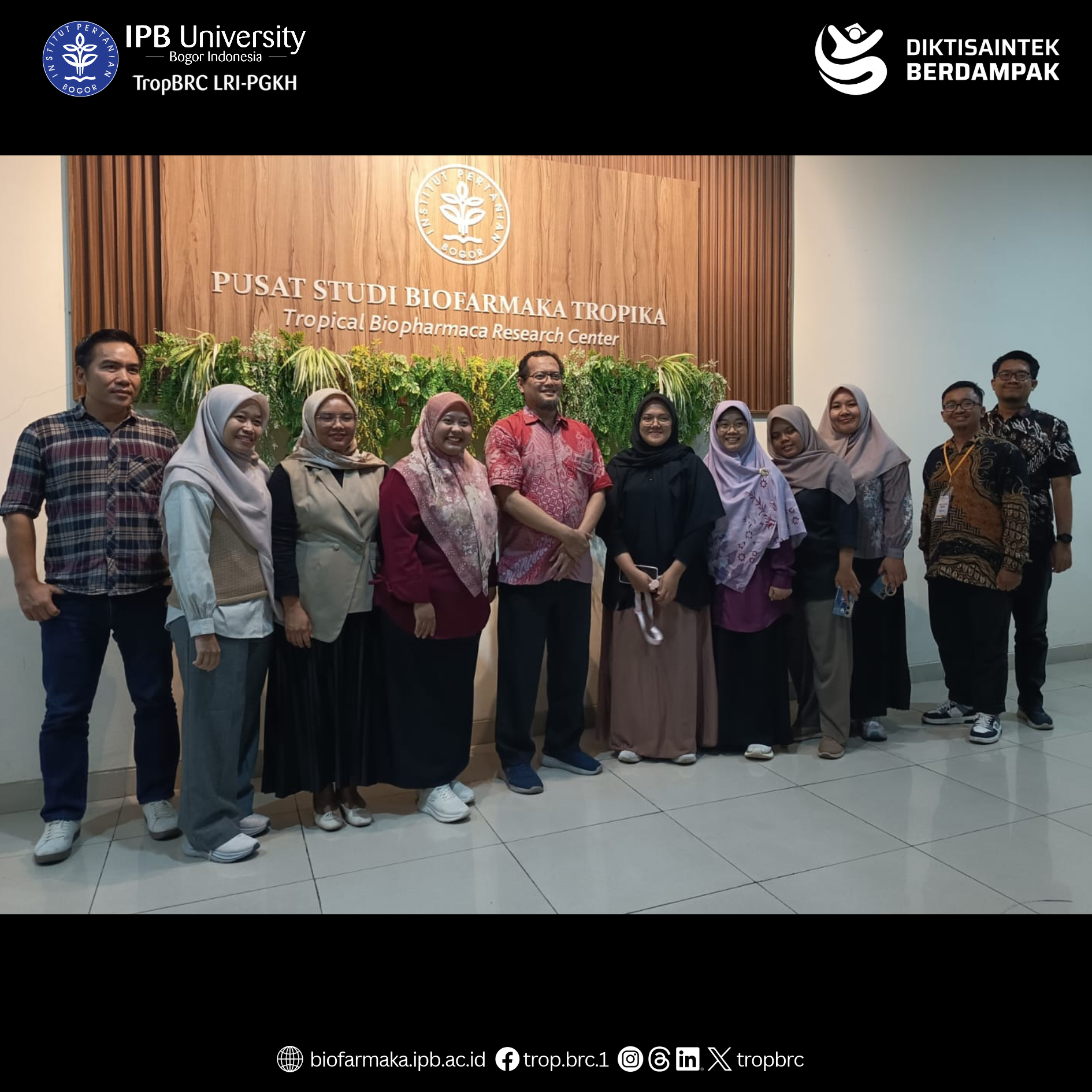
Specifically, this program responded to an official request from the HETI Project at Universitas Lampung (Unila). As a result, nine Unila lecturers joined the workshop to build their skills. The training aimed to strengthen faculty research in spectrophotometry-based metabolomics and computational natural product bioinformatics.
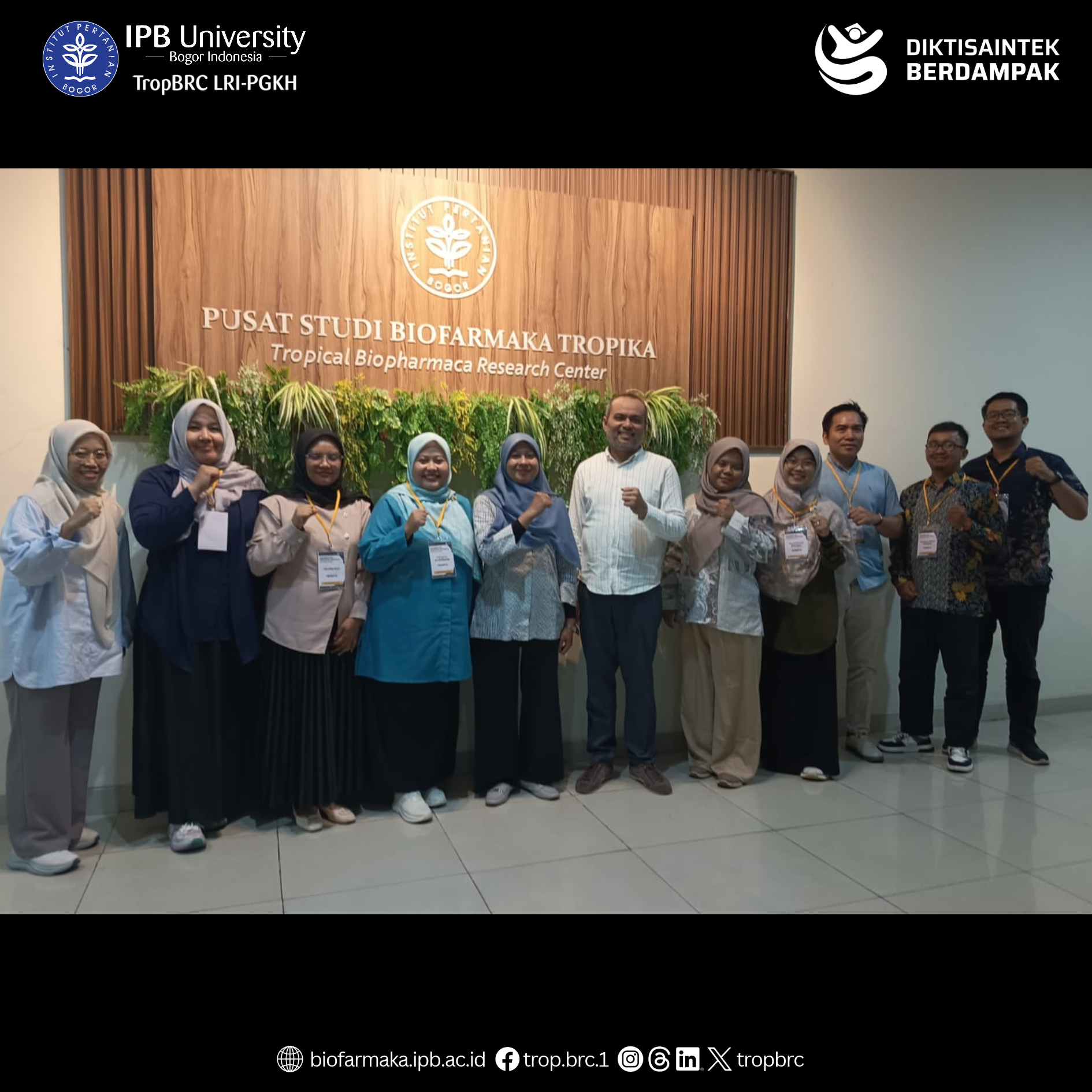
Overall, the nine delegates represented three faculties at Universitas Lampung. First, six lecturers came from the Faculty of Medicine. They were apt. Ervina Damayanti, M.Clin.Pharm., apt. Dwi Aulia Ramdini, M.Farm., and Ihsanti Dwi Rahayu. In addition, Novita Sari, apt. Wahyu Alfath Firdaus, M.Farm., and Femmy Andrifianie joined from the same faculty. Next, Annisha Noor Dienna, M.Sc., attended from the Faculty of Mathematics and Natural Sciences (FMIPA). Finally, Esa Ghanim Fadhallah, S.Pi., M.Si., and Dr. Duryat, S.Hut., M.Si., represented the Faculty of Agriculture.
Metabolomics, Chemometrics, and Network Pharmacology
Before the main event, participants joined an online pre-workshop on Saturday, November 7, 2026. During this session, Dr. Dewi Anggraini Septaningsih, S.Si., M.Si., and Dr. Setyanto Tri Wahyudi, S.Si., M.Si., guided software installation.
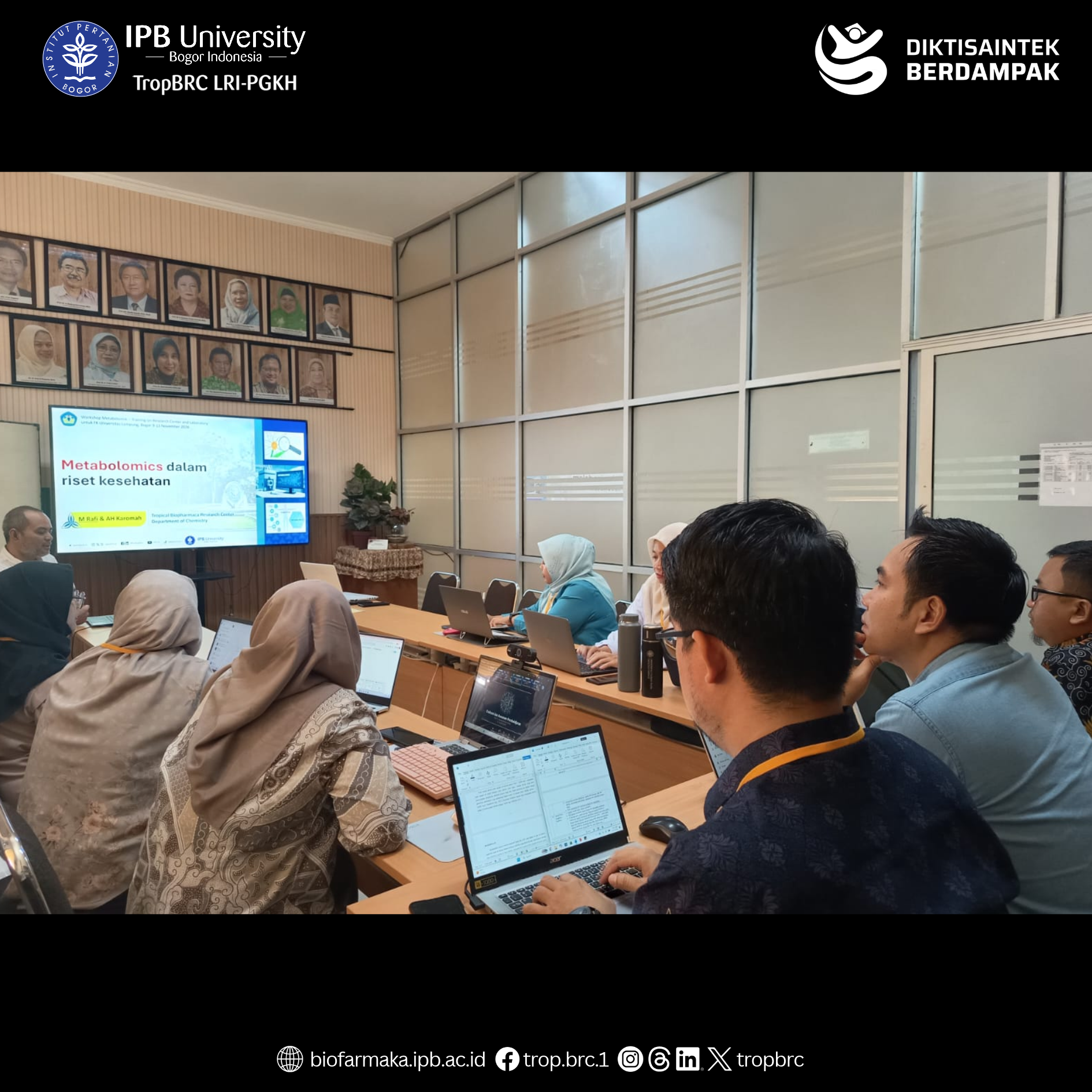
Then, Prof. Dr. Mohamad Rafi, S.Si., M.Si., Head of TropBRC IPB University, officially opened the program on Monday, November 9, 2026. First, he explained the role of metabolomics and chemometrics in herbal quality control, species discrimination, and marker identification. Additionally, he showed how multivariate statistics handle large datasets from HPLC, GC-MS, LC-MS/MS, FTIR, and NMR instruments.
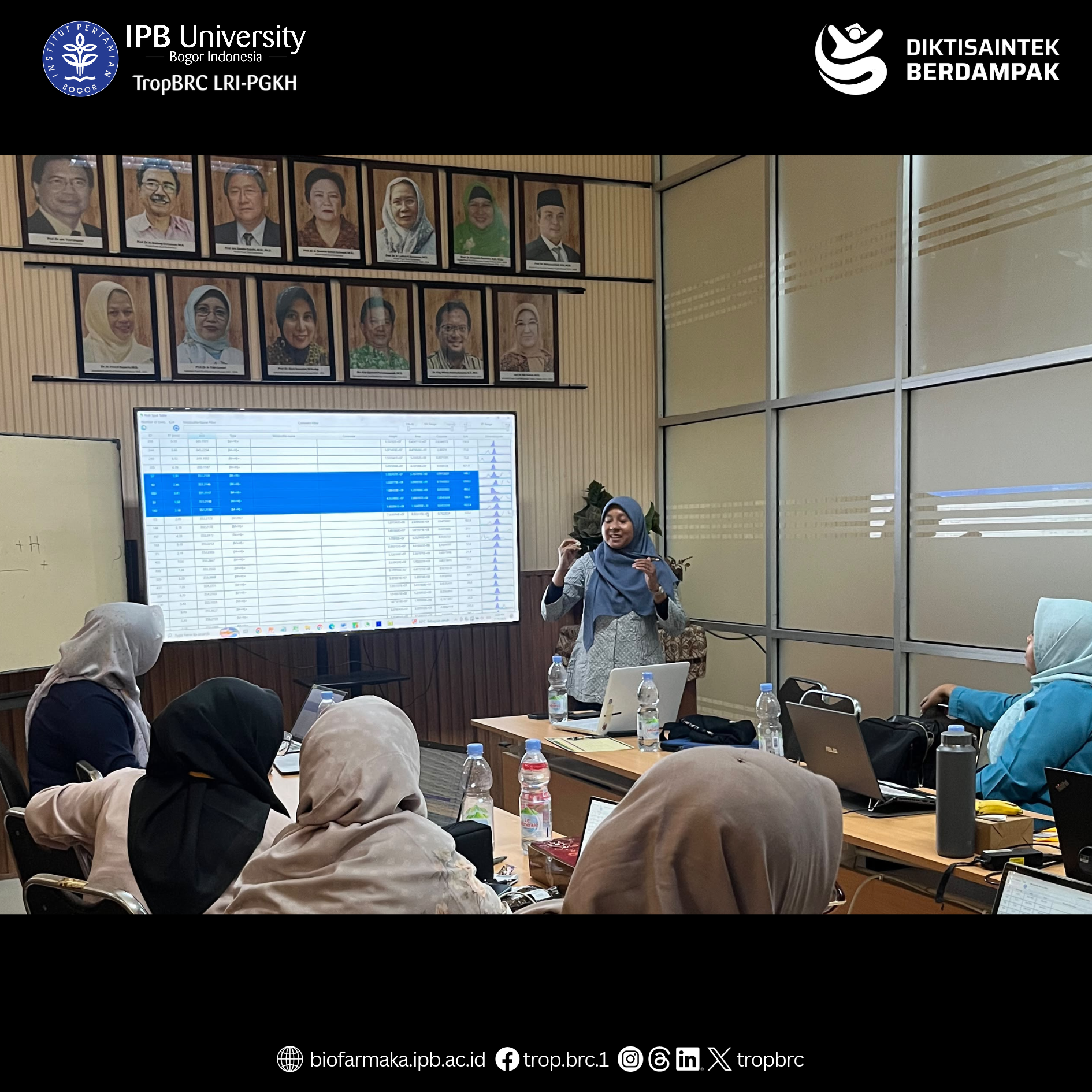
Afterward, Dr. Dewi Anggraini Septaningsih led hands-on LC-MS/MS data processing using MS-DIAL. Participants practiced software selection, file preparation, data import, and peak picking. Moreover, they learned MS/MS spectral deconvolution, alignment, and metabolite annotation.
On Tuesday, November 10, 2026, Dr. Rudi Heryanto, S.Si., M.Si., delivered foundational lectures on chemometrics. He covered experimental design, exploratory data analysis, and cluster analysis. Furthermore, he explained outlier detection using Grubbs’ test, alongside multivariate pattern recognition and regression. Later that afternoon, Dr. Dewi Anggraini Septaningsih and the TropBRC team led practical exercises in MetaboAnalyst. Consequently, participants generated heatmaps, Hierarchical Clustering Analysis (HCA), and Principal Component Analysis (PCA).
Next, the curriculum shifted to systems bioinformatics on Wednesday, November 11, 2026. Prof. Dr. Eng. Wisnu Ananta Kusuma, S.T., M.T., presented a virtual screening framework for herbal medicine. Specifically, he contrasted the multicomponent–multitarget herbal paradigm with conventional single-target drug discovery. Participants then practiced target prediction via Swiss Target Prediction and analyzed Protein-Protein Interaction (PPI) networks in STRING and Cytoscape. In addition, they explored IPB’s I-PRIME platform—including I-PrimeTarget, ISNIP, and IJAH Analytics—and network community detection algorithms. Meanwhile, Tamimah Shafwatul Ishlah, S.Si., M.Si., led biological enrichment exercises using Gene Ontology (GO) terms and KEGG pathways.
Molecular Docking and Scientific Publication Writing
During the fourth and fifth days on November 12 and 13, 2026, the focus moved to molecular docking. First, Dr. Setyanto Tri Wahyudi introduced 3D protein visualization from the Protein Data Bank (PDB). He also explained docking sampling, scoring principles, binding site identification, and protocol validation through redocking and cross-docking. Importantly, he clarified the difference between docking scores and true binding affinity. Participants then practiced conventional and AI-assisted protein preparation. Afterward, they ran simulations using both Graphical User Interfaces (GUI) and Command Line (CMD).
On Friday morning, Dr. Luthfan Irfana, S.Si., M.Si., continued the computational modules. Specifically, he guided small-molecule chemical property screening using DataWarrior. Next, participants practiced 3D ligand preparation and multi-ligand docking workflows via CMD.
On Friday afternoon, November 13, 2026, Prof. Dr. Waras Nurcholis, S.Si., M.Si., led a practical workshop on scientific manuscript writing. Using a published Q1 study on Indonesian cardamom (Amomum compactum) in Plants (MDPI), he showed how to structure research papers. He shared strategies for writing precise titles, seven-sentence abstracts, reproducible methods, supplementary materials, and peer-review responses. However, he emphasized strict scientific claim limits. Therefore, researchers must frame in silico docking and molecular dynamics outputs as computational predictions rather than direct experimental proof.
Finally, Prof. Dr. Eng. Wisnu Ananta Kusuma, S.T., M.T., officially closed the Training on Research Center & Laboratory. During his closing remarks, he expressed hope for continued collaboration between lecturers and researchers at Unila and TropBRC. Ultimately, this five-day program strengthens inter-institutional synergy and research capacity in natural product and biomedical science.
✍️ Author & Editor: Tiest
📸 Documentation: TropBRC Training Team